Kelly Joyce, a sociologist at the University of North Carolina who studies how cultural, political, and economic beliefs shape the way we think about and use technology, sees all these wild predictions about AGI as something more banal: part of a long-term pattern of overpromising from the tech industry. “What’s interesting to me is that we get sucked in every time,” she says. “There is a deep belief that technology is better than human beings.”
The fantasy of computers that can do almost anything a person can is seductive. But like many pervasive conspiracy theories, it has very real consequences. It has distorted the way we think about the stakes behind the current technology boom (and potential bust). It may have even derailed the industry, sucking resources away from more immediate, more practical application of the technology. More than anything else, it gives us a free pass to be lazy. It fools us into thinking we might be able to avoid the actual hard work needed to solve intractable, world-spanning problems—problems that will require international cooperation and compromise and expensive aid. Why bother with that when we’ll soon have machines to figure it all out for us?
How AGI became the most consequential conspiracy theory of our time
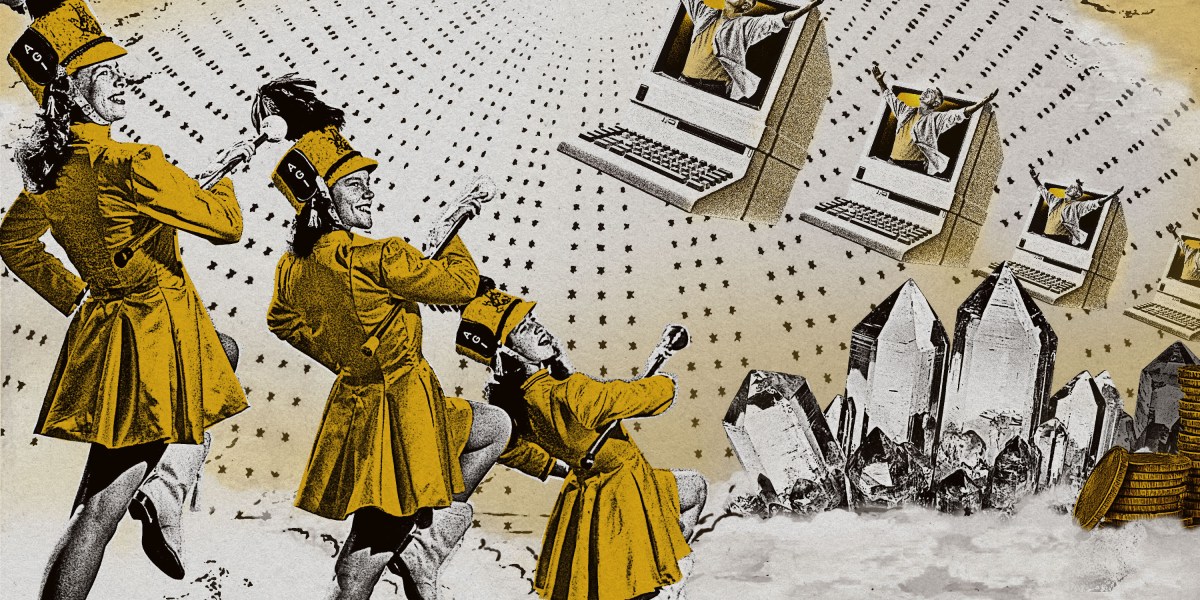
The idea that machines will be as smart as—or smarter than—humans has hijacked an entire industry. But look closely and you’ll see it’s a myth that persists for many of the same reasons conspiracies do.
 Will Douglas Heaven